Wind
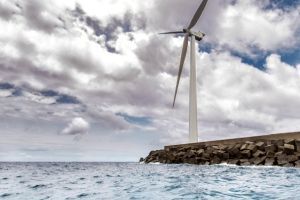
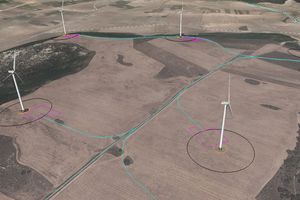
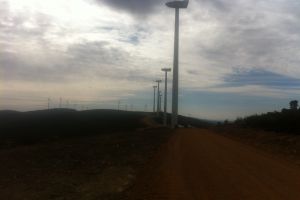
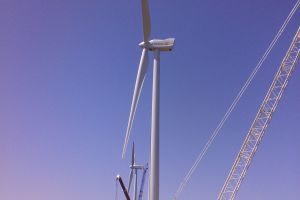
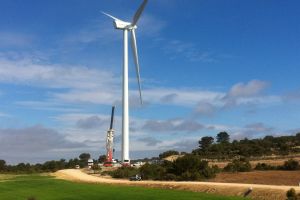
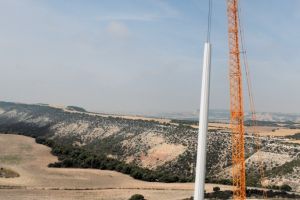
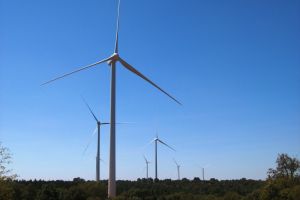
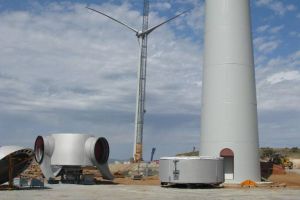
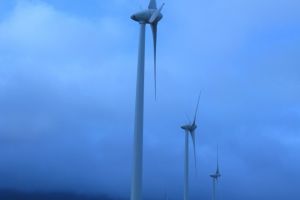
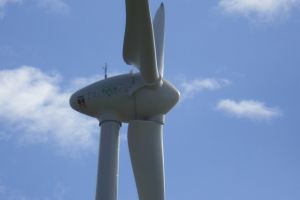
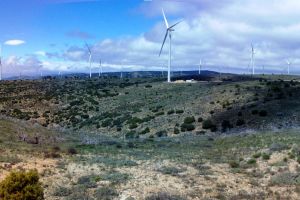
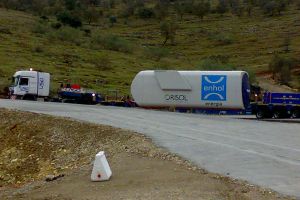
Wind energy is an indirect form of solar energy because it occurs as a result of the wind's kinetic energy and it is the effect of differences in temperature and pressure of the atmosphere caused by the sun's radiation.
Wind energy is an indirect form of solar energy because it occurs as a result of the wind's kinetic energy and it is the effect of differences in temperature and pressure of the atmosphere caused by the sun's radiation.
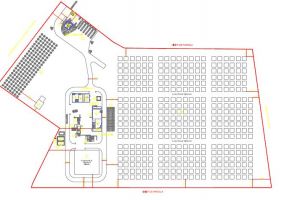
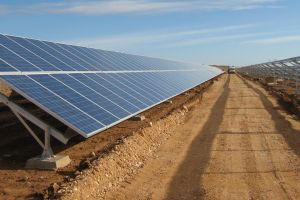
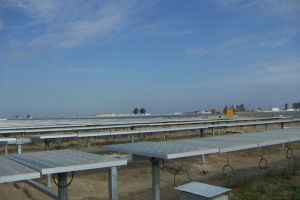
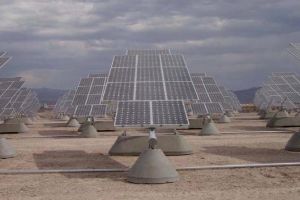
The basis of solar photovoltaic energy is the photoelectric or photovoltaic effect, which involves the conversion of light into electricity.
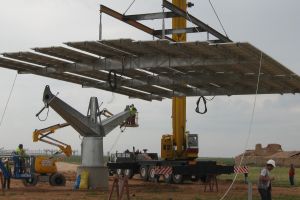
The operation of a solar thermal plant is similar to a power station, but energy from the sun is used instead of coal or gas. Sunrays are concentrated by mirrors onto a receiver that reaches temperatures up to 1000 ° C. This heat is used to heat a fluid and generate steam, which drives a turbine and produces electricity.
Biomass is the amount of living matter produced by plants, animals, fungi or bacteria, in a given area. It is often used to refer to the fuel energy obtained directly or indirectly from these biological resources.
Small hydro power is the electric power generated from a small waterfall. A small turbine is installed -for which no dam nor weir are needed- and water is diverted by a small canal. The main applications are: Electrification of isolated nuclei and sales to companies.
Geothermal energy is the heat energy generated in the inner layers of the Earth conducted to the outer part of the Earth's crust.